

Twenty-five years ago, the international community agreed a new approach to womens inclusion in peace processes in what came to be known as the Women, Peace and Security Agenda (WPS), outlined in the landmark Security Councilresolution 1325.
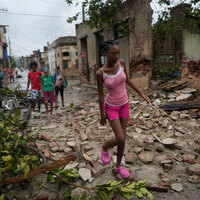
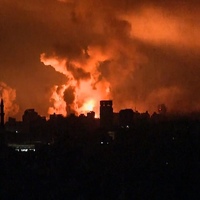
Around 676 million women lived within 50 kilometres of deadly conflict last year the highest figure since the 1990s.
In early summer 2024, Squadron Leader Sharon Mwinsote Syme of Ghana ventured into sector North of Abyei, a disputed region between Sudan and South Sudan where she was deployed as a military gender advocate with the UN Interim Security Force in Abyei (UNISFA).
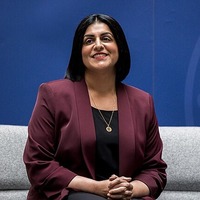
The resolution was a real game-changer, says , Americas Division Director at the Department of Political and Peacebuilding Affairs (DPPA), in an interview with .
Leading the departments initiatives in Latin America and the Caribbean, she works closely with local authorities and organizations, as well as womens and Indigenous communities to advance gender equality.
People finally started recognising that women arent just affected by conflict, theyre also key to resolving it, said Ms. Flores about womens inclusion in conflict resolution. Its about making sure women have a seat at the table when peace is being negotiated, and that their voices are heard in decisions that shape recovery and security.
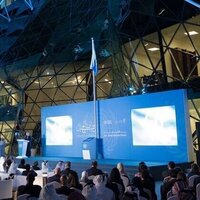
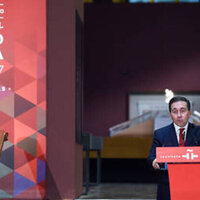
United NationsIndigenous leader representing Guatemala at a conference.Record-setting MP tally
Last year, nearly 700 million women lived within 50km of deadly conflict, according to the UN Secretary-Generalsreporton Women, Peace and Security.
Sexual violence increased by 87 per cent over the past two years, while nine out of 10 peace processes excluded women negotiators.
Yet the 25th anniversary of the Women, Peace and Security Agenda serves as a reminder that progress has been made. The Americas region had the highest average of women in parliament globally with Caribbean countries averaging 41 per cent, South America at 31.9 per cent, and Central America at 30.8 per cent, said Ms. Flores.
Countries like Mexico, Chile and Colombia all adopted foreign policies aimed at promoting gender equality in diplomacy, peacebuilding and development.
These policies are still new, and theyll need strong support and coordination to really take root but theyre a sign of progress, she commended.
Regional strengths, but still challenges
The UN promotes womens protection in conflict and participation in negotiations but it is up to the countries to implement WPS in their policies.In Chile, the UN assisted a commission initiated by the countrys president to address the root causes of conflict affecting Indigenous communities. It specifically considered challenges faced by Mapuche Indigenous women and most of the commission's proposals came from women.
Last year, Ms. Flores department helped to develop Colombias first national action plan in line withResolution 1325. Meanwhile in Haiti, DPPA works jointly withUN Womenthe UNs chief entity on gender equality to support women and girls, especially survivors of gender-based violence.
Despite hopeful development, gender-based violence in the region remains alarmingly high, with at least 11 women murdered every day in Latin America, Ms. Flores said.
Political violence and digital harassment against women leaders keeps rising, while in some countries like Haiti, inclusion in politics remains low amid high levels of sexual violence.
The region has momentum, but it needs protection, investment, and political will to keep moving forward, Ms. Flores stressed.
United NationsCeremonial ritual of the Mapuche Indigenous People in Chile.Moving forward, hand in hand
Indigenous Peoples, making up over467 millionof the global population, are often denied the right to live in accordance with their cultural values and face exclusion in political processes.
Indigenous women are often hit hardest by conflict, but theyre also incredibly resilient and central to peace efforts, Ms. Flores highlighted.
One such resilient woman is , an Indigenous leader and the only Maya Kiche female minister to be included in Guatemalas government in 2000.
Ms. Lux played a significant role in documenting specific forms of violence that women and Indigenous Peoples underwent during the countrys civil conflict.
I am the daughter Guatemalas war, Ms. Lux told us in an interview.
Over200,000lives perished in the conflict which began in 1962 and lasted around three decades. Since the signing of the peace agreement in 1996, the country has made progress in advancing womens rights, much of which is driven by women themselves.
More recently, Indigenous women authorities have played pivotal roles in defending democracy, particularly during the 2023 elections, when the peaceful transfer of power was at risk, Ms. Flores said.
In the 2023 election crisis, the Indigenous People of Guatemala took to the streets and lifted traditional or staffs, a symbol of their ancestral authorities, in defense of their vote.
The decision to act did not happen overnight; it followed a long process of discussion and consultation within our communities. We call this process in Kiche a collective awakening of consciousness, Ms. Lux said.
That moment, when our ancestral symbols were raised, was not simply a protest; it was an act of democratic participation seen through Indigenous eyes, she added.
Much like Resolution 1325 urged countries to ensure increased representation of women at all decision-making levels for the prevention and resolution of conflict, so do women like Ms. Lux foster democracy by refusing to stay silent.
United NationsIndigenous leader Otilia Lux de Cot representing Guatemala at a conference.United NationsCeremonial ritual of the Mapuche Indigenous People in Chile.