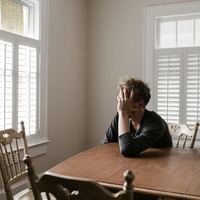



Kingston/Panama/Geneva. 28 November 2025 - One month after Hurricane Melissa, people continue to report significant psychological impacts, including high levels of stress, anxiety, persistent fear, sleep disturbances, and grief linked to the loss of homes, livelihoods, and loved ones. Thousands across the affected regions are seeking psychosocial support, with demand increasing as families confront the long-term emotional toll of the disaster, reports the International Federation of Red Cross and Red Crescent Societies (IFRC).
In Jamaica, children are showing a wide range of emotional reactions, including fear of the dark and heightened sensitivity to rain or wind. Some have become unusually quiet or irritable, while others are more clingy, fearful of separation, or noticeably hyperactive as they try to cope with the ongoing sense of insecurity.
"While physical wounds may heal and houses can be rebuilt with time, emotional wounds can linger long after the crisis is over. Mental health and psychosocial support programs are among the least expensive interventions in humanitarian response, yet their impact is priceless," said Dorothy Francis, Head of Operations at the IFRC in Jamaica. "It is critical to ensure the resources needed not only for psychological first aid, but also for psychoeducation, child-friendly activities, and group sessions tailored to community needs."
The IFRC has launched an emergency appeal for 19 million Swiss francs (approximately USD 23 million) to support 180,000 people affected by Hurricane Melissa in Jamaica, and an additional appeal for 15 million Swiss francs (USD 18 million) to assist the Cuban Red Cross in supporting 100,000 people. This funding will strengthen MHPSS interventions across all response activities, ensuring that communities receive practical, emotional, and psychological support throughout the recovery process.
Red Cross volunteers and specialists are providing essential mental health and psychosocial support (MHPSS) to adults and children affected by the hurricane. This includes psychological first aid, community-based support sessions, child-friendly activities, and referrals to specialized care when needed.
Activities such as games, drawing, storytelling, music, movement, and breathing exercises support emotional expression and stress reduction. For those more deeply affected, focused group sessions offer grounding techniques, relaxation exercises, psychoeducation on common stress reactions, and safe spaces to share coping strategies and regain a sense of control. Parents also receive guidance to understand their children's emotional needs and support healthy coping. Across all these actions, the goal is to restore safety, a sense of normalcy, and meaningful connection within the community.
Smiling, Berta Gonzalez shows off the mosquito net installed on her bed. She received it from the Cuban Red Cross to protect her from mosquito-borne diseases.
Photo: Susana Arroyo/IFRC
In Cuba, Red Cross teams are also distributing mosquito kits - an intervention that goes beyond disease prevention. By protecting families from mosquito bites and creating a safer sleeping environment, the kits help improve sleep hygiene, which is essential for emotional well-being and recovery after a traumatic event.
Julio Martinez, Head of Psychosocial Support for the Cuban Red Cross, has been leading sessions with children in the community of El Aguacate. He describes how simple activities such as coloring help children express their emotions and begin to heal. "The colors reflect what the child feels in that moment. Children express themselves openly and clearly, and their drawings often reveal what is happening within the family," he said.
MHPSS is also central to building back stronger. "After the storm, people face difficult decisions- how to rebuild, return to work, and support their children," Martinez added. "Resilience becomes essential, and psychosocial support is key to helping communities recover and rebuild that strength. No one emerges untouched; everyone is psychologically affected, so mental health cannot be overlooked."
In Cuba, Yaricel Martinez Gonzalez experienced the effects of Hurricane Melissa firsthand. Before the storm, she was part of a community of fisherfolk.
"To see everything we had achieved through years of effort and sacrifice collapse in just a few hours was deeply devastating for us," mentions Yaricel. "My own mother would start crying every day at two in the morning, and I felt a knot in my throat, as if I couldn't breathe. When something so drastic happens, you think you'll never sleep again, never recover. But we are living proof that the techniques provided by the Red Cross do help. They taught us ways to breathe better, relieve stress, and sleep more peacefully. Even the children benefited, using drawings to express the sadness they felt from Melissa's passing."
In Panama:
Maria Victoria Langman, +507 6550-1090
Susana Arroyo Barrantes, +507 6999-3199
In Geneva:
Tommaso Della Longa, +41 79 708 4367
Nora Peter, +36 70 953 7709
Source: Reliefweb